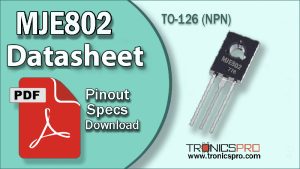
The 2N4923 pinout follows the Emitter–Collector–Base (E–C–B) configuration in the TO-126 package. The 2N4923 transistor is an NPN silicon power transistor designed for medium-power switching and amplification applications. With a collector-emitter voltage of 80V, collector-base voltage of 80V, and collector current of 1A, it delivers stable and efficient performance across various electronic circuits. This transistor is known for its durability, compact design, and consistent gain characteristics, making it a suitable choice for general-purpose use in both industrial and educational electronics.

Introduction to 2N4923 NPN Transistor
The 2N4923 is a robust and efficient NPN bipolar junction transistor (BJT) that serves as a reliable component for switching, signal amplification, and load driving tasks. It is specifically designed for medium-voltage circuits, where it can manage up to 80 volts and dissipate 30 watts of power efficiently through its TO-126 package.
With a collector current capacity of 1 ampere, the 2N4923 NPN transistor is ideal for applications such as audio power amplifiers, motor drivers, relay drivers, and voltage regulators. It provides a stable gain response, low saturation voltage, and excellent linearity—ensuring precise performance in both analog and digital environments.
2N4923 NPN Transistor

Pinout of 2N4923

Understanding the 2N4923 Pinout Configuration
The 2N4923 transistor pinout uses the Emitter–Collector–Base (E–C–B) lead sequence when viewed from the front (flat side facing you, leads pointing downward). This pin configuration allows for easy placement in printed circuit boards (PCBs) and quick replacement with compatible NPN transistors in the same package style.
Pin Configuration of 2N4923 Pinout
| Pin# | Pin Name |
|---|---|
| 1 | Emitter |
| 2 | Collector |
| 3 | Base |
Key Features of 2N4923 Transistor
- Medium-power NPN silicon transistor
- Capable of handling up to 80V collector-emitter voltage
- Designed for switching and amplification in medium-load circuits
- Compact and thermally stable TO-126 package
- Reliable DC current gain and low noise characteristics
- Suitable for both linear and switching operations
2N4923 Transistor Datasheet and Specifications
- Transistor Type: NPN Silicon
- Collector–Emitter Voltage (Vce): 80V
- Collector–Base Voltage (Vcb): 80V
- Collector Current (Ic): 1.0A
- Power Dissipation (Ptot): 30W
- DC Current Gain (hFE): 40 – 160 (typical)
- Transition Frequency (fT): Approx. 3 MHz
- Junction Temperature (Tj): 150°C (maximum)
- Package Type: TO-126
- Pin Configuration: Emitter–Collector–Base (E–C–B)
Working Principle of 2N4923 NPN Transistor
The 2N4923 transistor operates as a current-controlled device, where a small base current allows a larger collector current to flow between the collector and emitter. When the base is biased positively relative to the emitter, the transistor enters its active region, making it suitable for signal amplification.
In switching applications, it acts as an efficient interface between low-power control signals and medium-power loads like relays, LEDs, or DC motors. Its high voltage tolerance and stable gain make it reliable in circuits that require consistent performance and protection against voltage fluctuations.
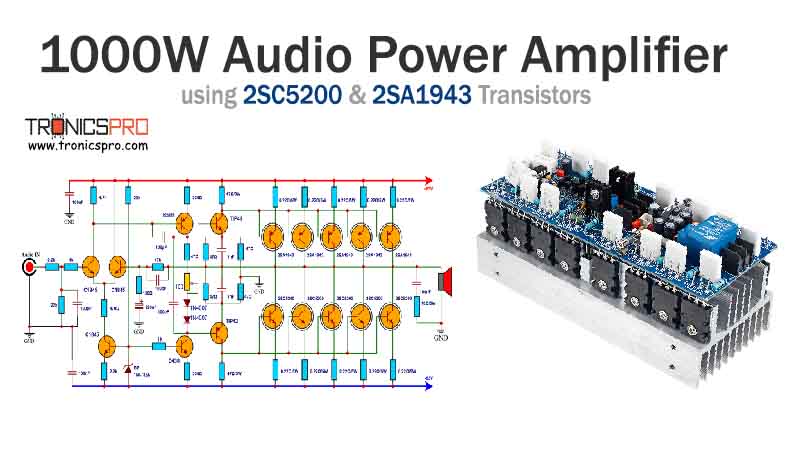
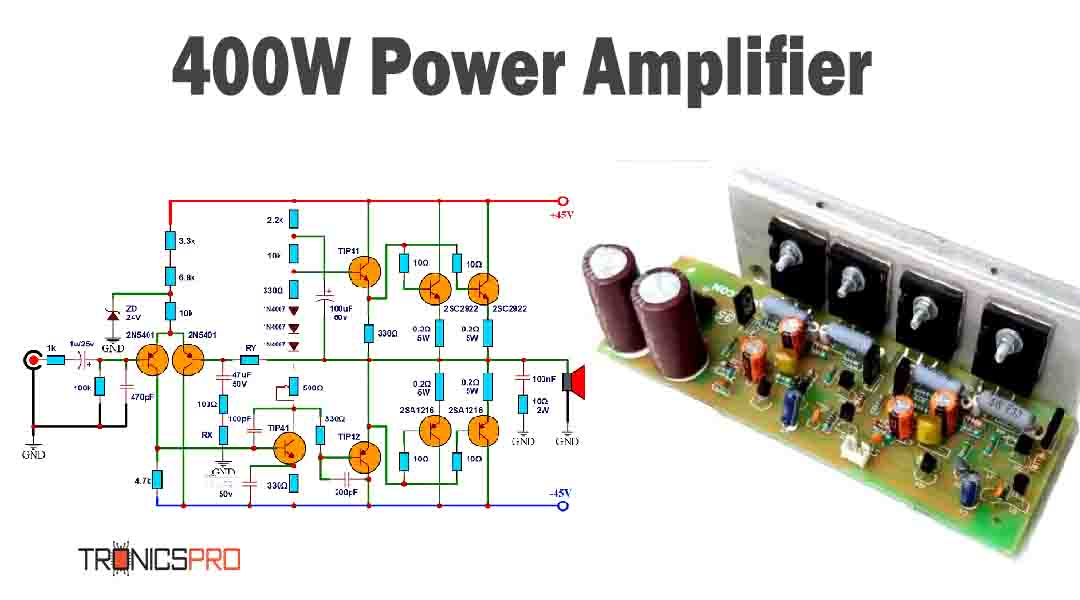
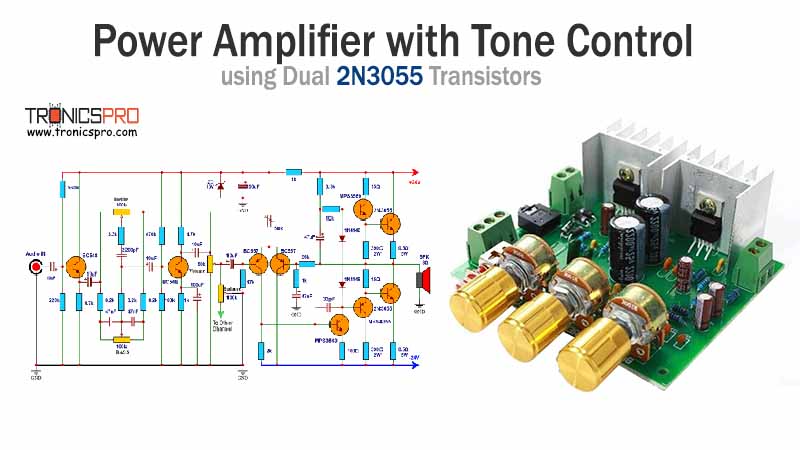
More Circuit Layouts





Typical Applications of 2N4923
- Audio amplifier stages and signal preamplifiers
- Motor driver and relay control circuits
- Voltage regulator and switching power supplies
- Medium-power signal switching and load driving
- General-purpose low-frequency amplifier applications
- Educational and prototyping electronics projects
Equivalent Transistors and Alternatives
If the 2N4923 transistor is unavailable, similar NPN transistors with compatible ratings and packages can be used. Always verify pin configuration and thermal ratings before substitution.
Common equivalents and alternatives include:
- BD139 – Similar current and power ratings in TO-126 package
- TIP29B – Slightly higher voltage, TO-220 package alternative
- MJE180 – NPN transistor for medium-power amplification
- 2N4921 – Lower voltage variant with same package style
- 2N2222A – smaller, suitable for low-current applications
Frequently Asked Questions (FAQ)
What is the 2N4923 transistor used for?
It is mainly used in switching, amplification, and medium-load driving applications.
What type of transistor is 2N4923?
The 2N4923 is an NPN silicon BJT designed for medium-power use.
What is the pinout of 2N4923?
It has an Emitter–Collector–Base (E–C–B) pin sequence in TO-126 package.
Is 2N4923 suitable for audio amplifier circuits?
Yes, it performs well in audio and signal amplifier applications due to its stable gain.
What is the power rating of 2N4923?
It has a maximum power dissipation of 30 watts, ideal for moderate power circuits.
Conclusion
The 2N4923 NPN transistor is a dependable medium-power device rated for 80V, 1A, and 30W in a TO-126 package. With its Emitter–Collector–Base pinout, it provides versatility, reliability, and excellent thermal performance. Suitable for switching, amplification, and regulation circuits, the 2N4923 remains a popular choice for engineers and hobbyists designing efficient medium-voltage systems.
Datasheet & Pinout of 2N4923 PNP Transistor
Click the following Button to download the datasheet of 2N4923 Transistor :
More projects, You may like:
- Video Transmitter DIY Homemade FM Radio Transmitter
- Adjustable Power Supply DIY Battery Charger
- 12V-220V 500 Watt inverter DIY Homemade
- MPPT Solar Charge Controller DIY Homemade
- DIY LA4440 bass amplifier homemade
For more project and circuit diagrams, you can go through the Schematics in the main menu where you can find many interesting projects and circuit diagrams like audio amplifier circuits, voltage booster circuit, battery charger circuit and timer circuits etc., which are all beginner circuit projects. Feel free to check them out!
Thank you for visiting the article.
You may also like:
![BD241 NPN Transistor Datasheet]()
BD241 NPN Transistor Pinout Datasheet
![2SC1943 PNP Transistor Thumbnail]()
2SA1943 PNP Transistor - Datasheet
![BC560 PNP Transistor Pinout Datasheet]()
BC560 PNP Transistor Pinout Datasheet
![2n5961 datasheet pinout equivalent specification]()
2N5961 Pinout, Equivalent, Application, Datasheet
![2n2220 datasheet pinout]()
2N2220 Pinout, Equivalent, Application, Datasheet
![2SC1815 NPN Transistor Datasheet Pinout]()
2SC1815 NPN Transistor Datasheet Pinout
![2n6109 datasheet pinout equivalent specification]()
2N6109 Pinout, Equivalent, Application, Datasheet
![TIP146 PNP Transistor Datasheet]()
TIP146 PNP Transistor Pinout Datasheet