

BD379 pinout is a key detail for engineers and circuit designers working with the BD379 NPN transistor, which is widely used in medium-power amplification and switching applications. This transistor offers excellent performance with a collector-emitter voltage of 80 V and a collector dissipation of 25 W, making it ideal for driver and audio amplifier circuits.

Introduction to BD379 NPN Transistor
The BD379 is an NPN silicon power transistor designed for general-purpose audio and power switching circuits. It is built in a TO-126 package, providing a compact and thermally efficient solution for both linear and switching operations. With its robust construction and high current gain, the BD379 transistor ensures dependable performance even under moderate load conditions.
This transistor is popular in amplifier driver stages, voltage regulation modules, and complementary push-pull pairs when used with its PNP equivalent BD380. Due to its high voltage and power rating, it is also suitable for use in various consumer electronics and industrial applications.
The BD379 ensures low saturation voltage and a consistent DC gain across different current ranges, ensuring reliable operation and low distortion when used in amplifier circuits. Its easy availability and proven reliability make it a preferred transistor in repair and DIY projects.
Datasheet Download Button is provided end of this article.
BD379 NPN Transistor

Pinout of BD379

Understanding the BD379 Pinout Configuration
The BD379 pinout follows the standard layout for TO-126 transistors. Knowing the correct pin configuration is essential for accurate circuit connections and proper operation in amplifiers or switching circuits.
Pin Configuration of BD379 Pinout
| Pin# | Pin Name |
|---|---|
| 1 | Emitter |
| 2 | Collector |
| 3 | Base |
Key Features of BD379 Transistor
- Designed for medium-power audio amplification and switching
- Low saturation voltage for efficient operation
- Reliable DC gain and stable current performance
- Compatible with standard TO-126 heat sinks
- Suitable for use in complementary push-pull pairs
BD379 Transistor Datasheet and Specifications
- Collector-emitter voltage (Vce): 80 V
- Collector-base voltage (Vcb): 100 V
- Emitter-base voltage (Veb): 5 V
- Collector current (Ic): 4 A
- Total power dissipation (Pc): 25 W
- DC current gain (hFE): 40 to 160
- Transition frequency (fT): 3 MHz (typical)
- Package type: TO-126
- Polarity type: NPN
Working Principle of BD379 NPN Transistor
The BD379 works as a current-controlled amplifier and switch. When a small input current flows into the base, it allows a proportionally larger current to pass from the collector to the emitter. This property makes it suitable for signal amplification in audio stages or as a driver transistor in power circuits.
When used in switching mode, the BD379 operates efficiently in both cutoff and saturation regions, offering fast response and reduced switching losses. In amplifier configurations, it maintains linear gain and low distortion, enhancing overall audio quality.
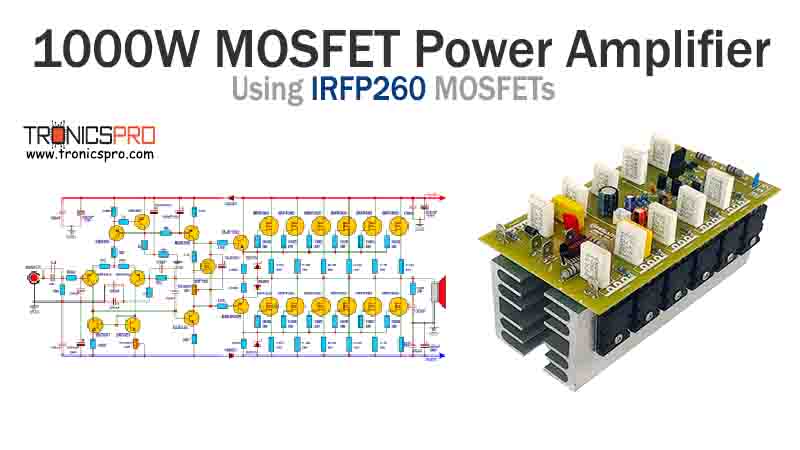
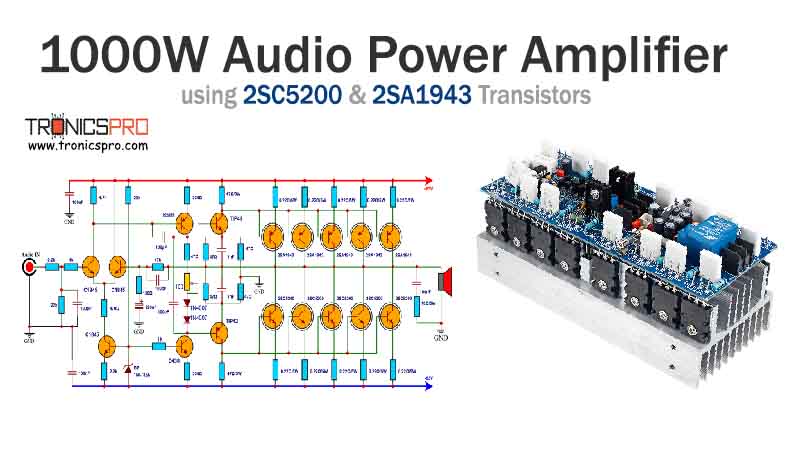
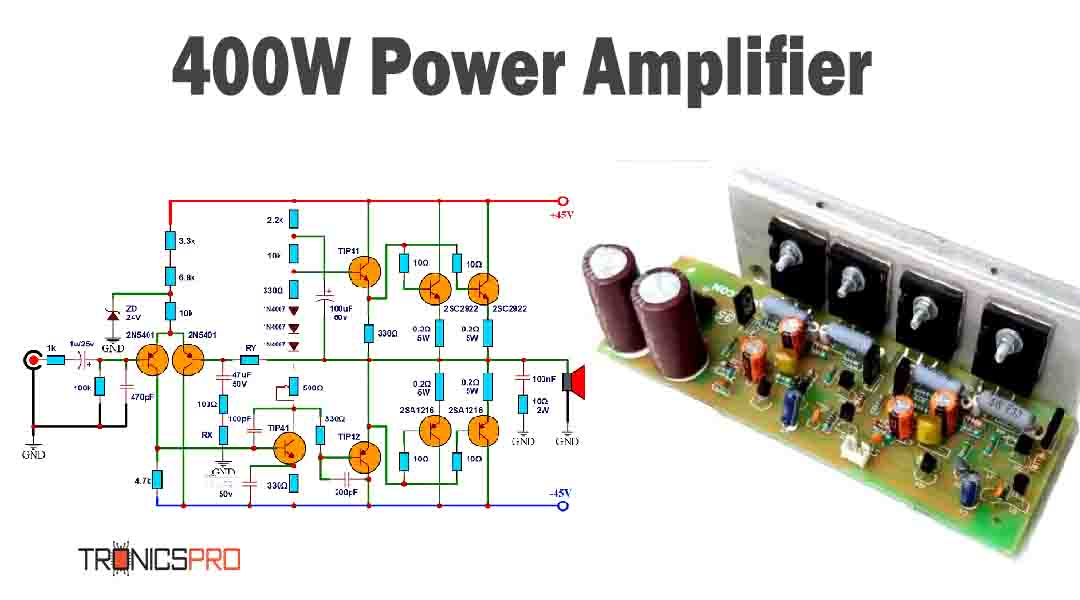
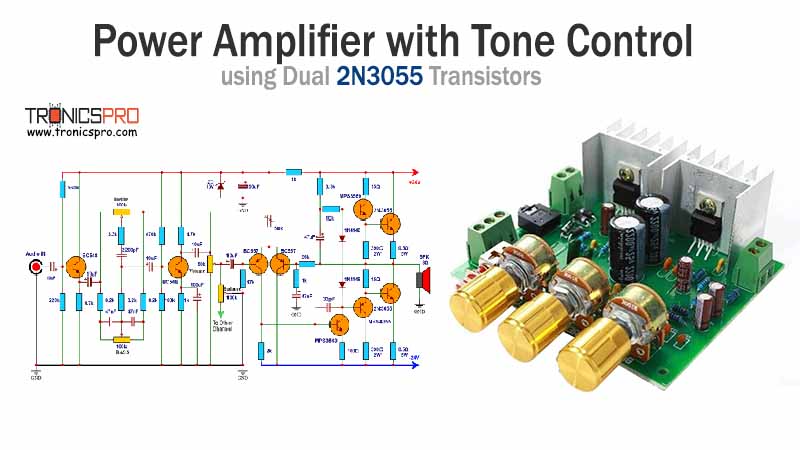
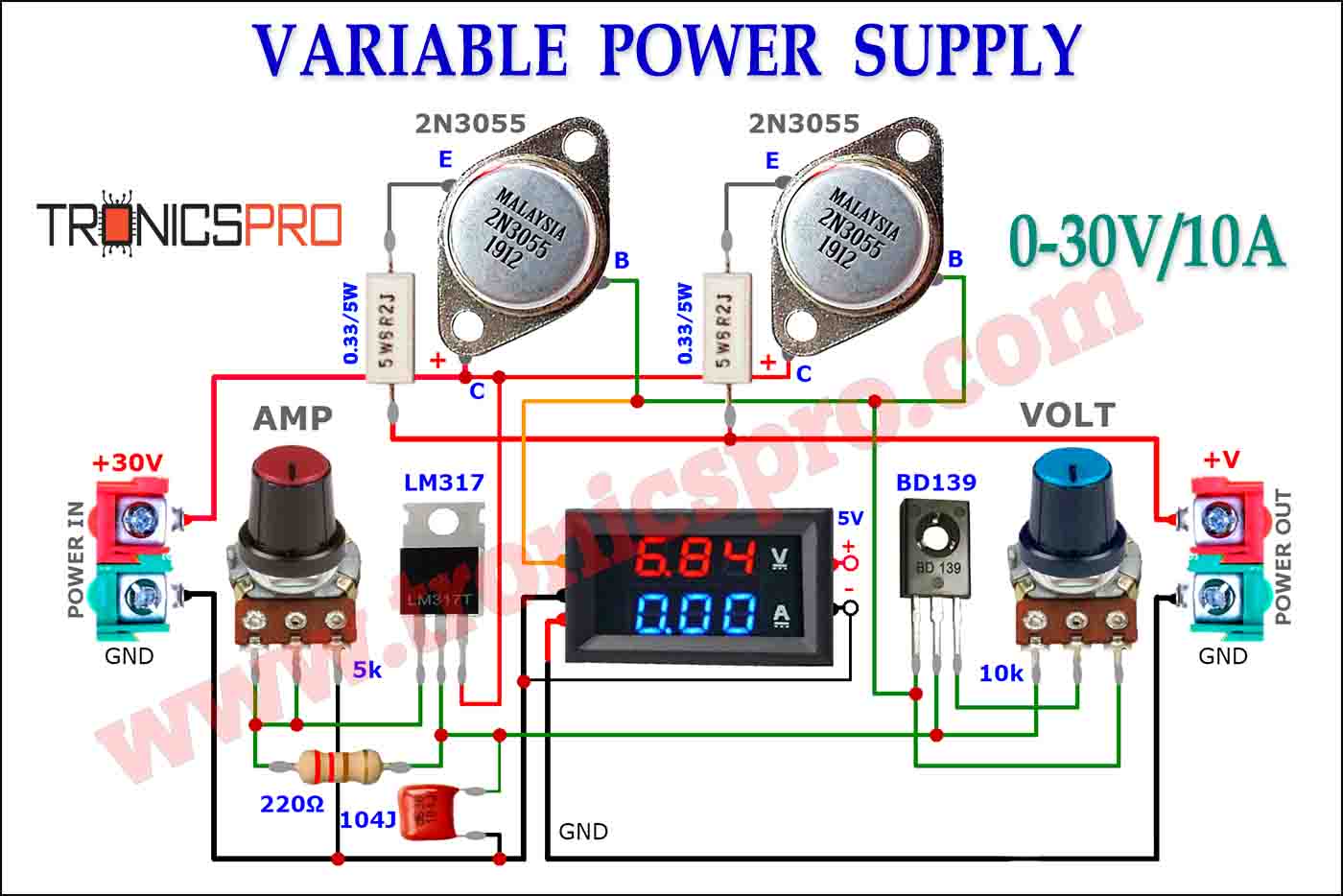
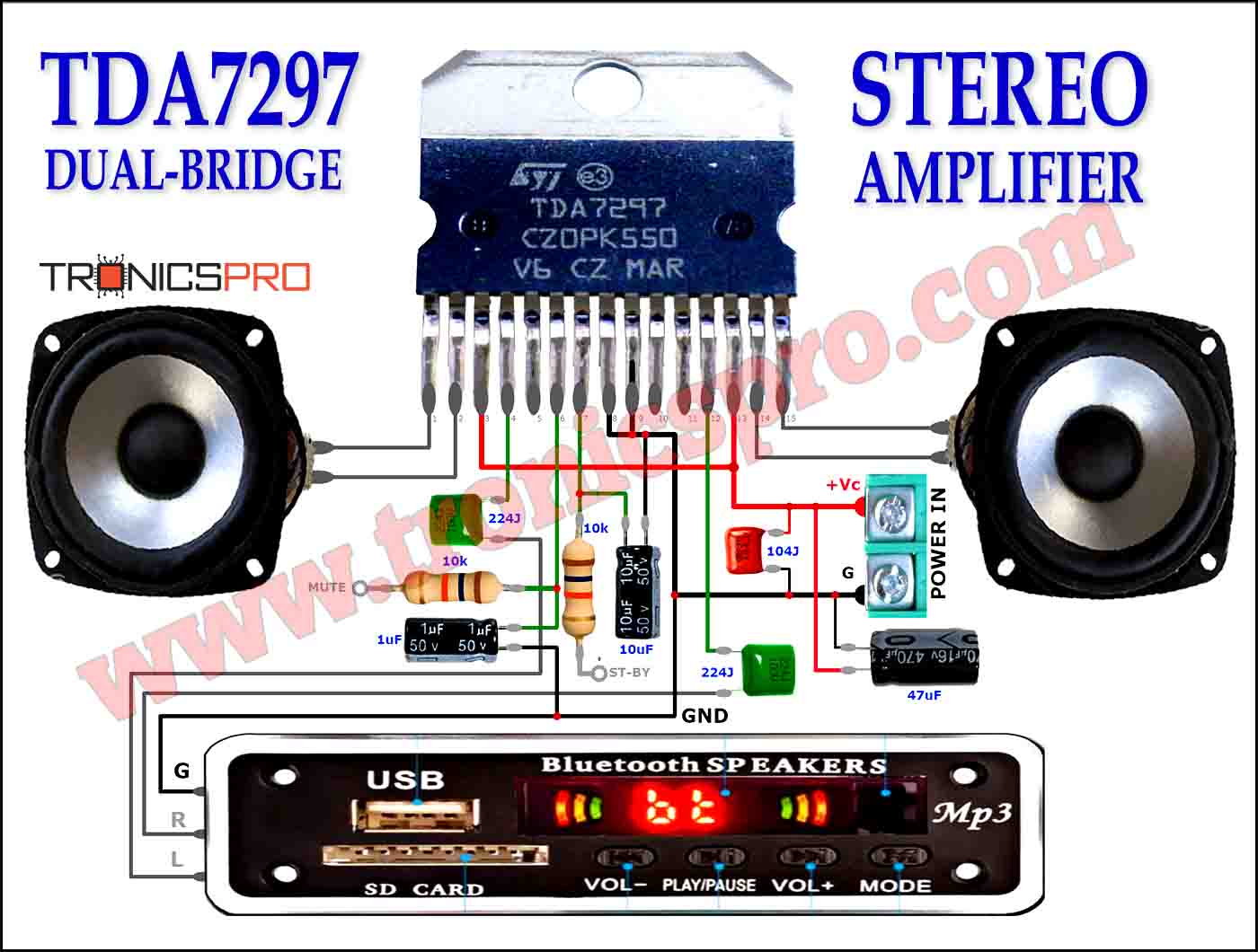
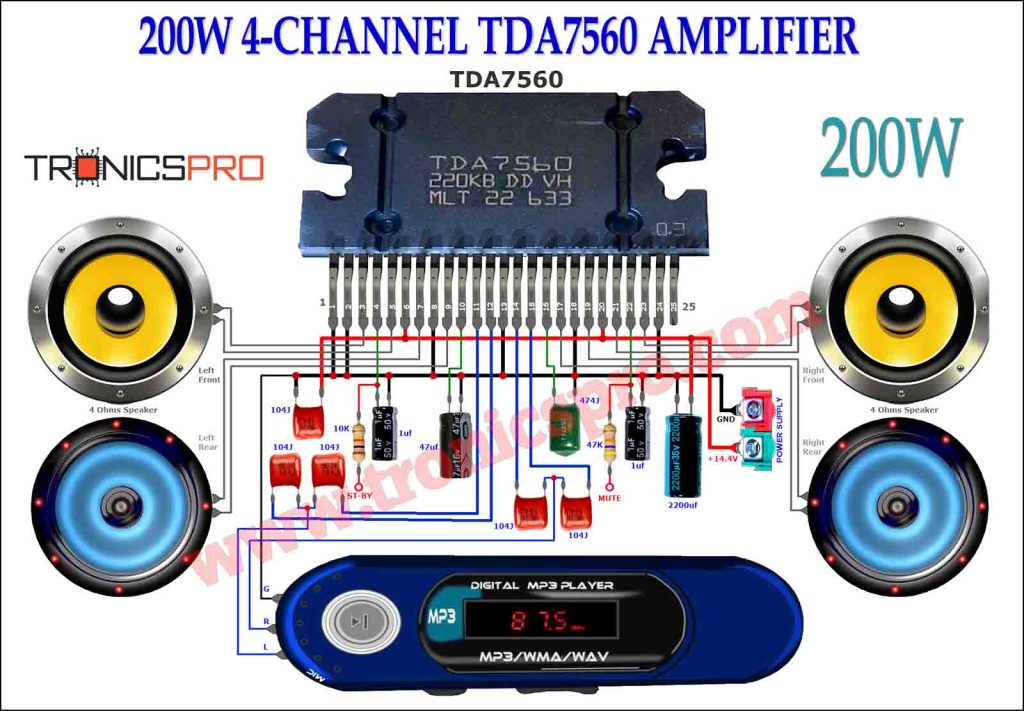
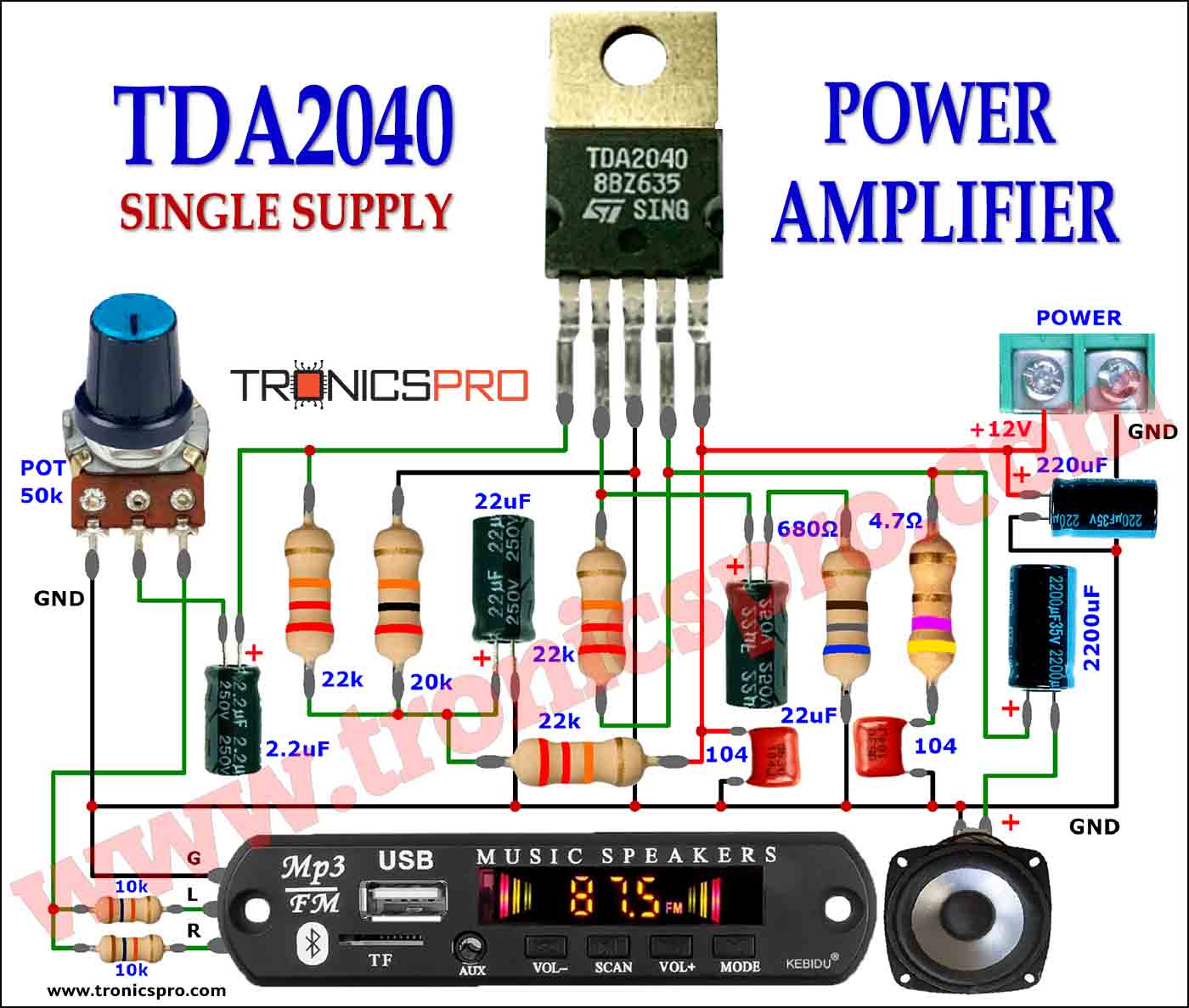
More Circuit Layouts
Typical Applications of BD379
- Audio amplifier driver stages
- Power supply regulators
- Motor control circuits
- Signal and pulse amplification
- Complementary push-pull output stages
PNP Complementary Transistor
The complementary PNP transistor for the BD379 is the BD380. Both share identical voltage and current ratings but have opposite polarity types. This pairing enables designers to use them in Class B and Class AB push-pull amplifier stages, where symmetrical signal handling is required.
Equivalent Transistors and Alternatives
Common equivalent or replacement transistors for BD379 include:
Each alternative should be cross-checked for matching gain and package compatibility before substitution.
Comparison Summary: BD379 vs BD380
The BD379 is an NPN transistor, while the BD380 is its PNP complementary pair. Both have similar electrical characteristics — an 80 V collector-emitter voltage and 25 W power dissipation — but their current flow directions differ.
In a push-pull amplifier design, BD379 handles the positive half-cycle, while BD380 handles the negative half-cycle of the signal. This symmetry ensures balanced output and low harmonic distortion. Both transistors offer excellent linearity, fast switching, and thermal stability, making them suitable for reliable medium-power applications.
Frequently Asked Questions (FAQ)
What is the BD379 transistor used for?
The BD379 transistor is mainly used in audio amplifier circuits, power switching stages, and motor drivers.
What type of transistor is BD379?
It is an NPN silicon power transistor designed for medium-power applications in a TO-126 package.
What is the BD379 pinout?
The BD379 pinout (front view from left to right) is: Pin 1 = Emitter, Pin 2 = Collector, Pin 3 = Base.
What is the complementary transistor for BD379?
The complementary PNP transistor is BD380.
Can I use BD243C instead of BD379?
Yes, BD243C can be used as an alternative in many circuits, provided thermal and gain characteristics match.
Conclusion
The BD379 transistor is a robust and versatile NPN power transistor ideal for audio, driver, and switching applications. With its 80 V collector-emitter rating and 25 W dissipation, it offers reliability and efficiency in compact designs. When paired with its complementary BD380 transistor, it forms an efficient push-pull output stage, ensuring superior performance and balanced amplification.
Datasheet of BD379 NPN Transistor
Click the following Button to download the datasheet of BD379 Transistor :
More projects, You may like:
- Video Transmitter DIY Homemade FM Radio Transmitter
- Adjustable Power Supply DIY Battery Charger
- 12V-220V 500 Watt inverter DIY Homemade
- MPPT Solar Charge Controller DIY Homemade
- DIY LA4440 bass amplifier homemade
For more project and circuit diagrams, you can go through the Schematics in the main menu where you can find many interesting projects and circuit diagrams like audio amplifier circuits, voltage booster circuit, battery charger circuit and timer circuits etc., which are all beginner circuit projects. Feel free to check them out!