Introduction
The BC307 is a PNP bipolar junction transistor (BJT) widely used in low-noise audio preamplifier and general-purpose amplification circuits. It is designed for low-frequency applications and provides excellent linearity, low distortion, and high gain, making it suitable for use in audio stages, tone controls, and signal amplification systems. With a maximum collector current of –100mA and a collector-emitter voltage rating of –45V, it offers dependable performance in both analog and digital circuit designs.

The BC307 transistor comes in a TO-92 package, which is compact, thermally efficient, and ideal for PCB mounting. It is frequently chosen for audio input stages, driver circuits, and feedback amplifiers, where low noise and stable gain are essential. Its consistent characteristics make it a reliable component in both hobby and professional electronic projects, including audio amplifiers, radio receivers, and instrumentation amplifiers.
BC307 PNP Transistor

The BC307 belongs to the BC307–BC309 transistor family, which includes variants with slightly different gain groupings and voltage ratings. Among these, the BC307 is particularly noted for its low noise figure and strong current gain stability across varying temperatures. Because of its reliable and predictable performance, the BC307 remains a popular choice for designers working with analog signal processing and small-signal amplification applications.
Pinout of BC307

Key Features
- Low noise transistor for high-quality audio applications
- Suitable for general-purpose low-frequency amplification
- High DC current gain (hFE) ensures efficient performance
- Stable operation across wide temperature ranges
- Ideal for analog, linear, and signal processing circuits
- Compact TO-92 package for easy PCB integration
Specifications/Characteristics
- Collector–Emitter Voltage (VCEO): –45V
- Collector–Base Voltage (VCBO): –50V
- Emitter–Base Voltage (VEBO): –5V
- Collector Current (IC): –100mA maximum
- Power Dissipation (Ptot): 500mW
- DC Current Gain (hFE): 110 to 450
- Transition Frequency (fT): 150MHz typical
- Noise Figure: 2dB typical
- Junction Temperature Range: –55°C to +150°C
- Package Type: TO-92
Pin Configuration
| Pin# | Pin Name | Pin Description |
|---|---|---|
| 1 | Collector | Current flows into this terminal. |
| 2 | Base | Controls the transistor’s operation between emitter and collector. |
| 3 | Emitter | Current flows out from this terminal. |
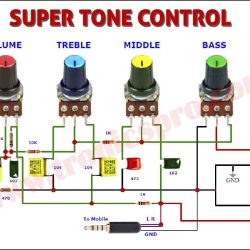
More Circuit Layouts

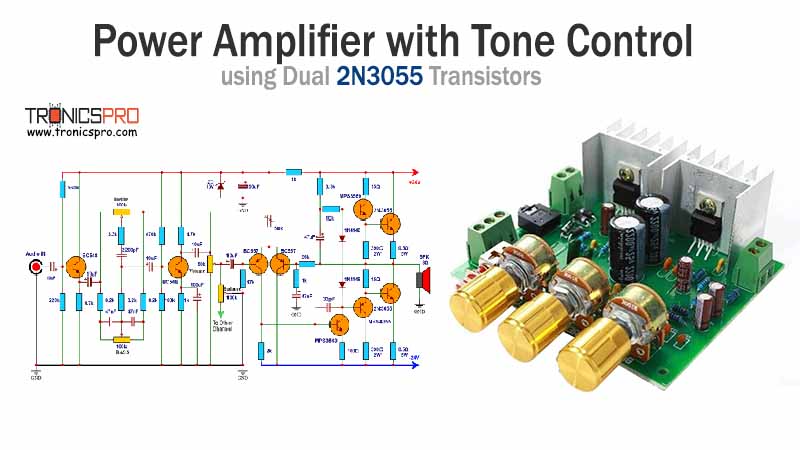
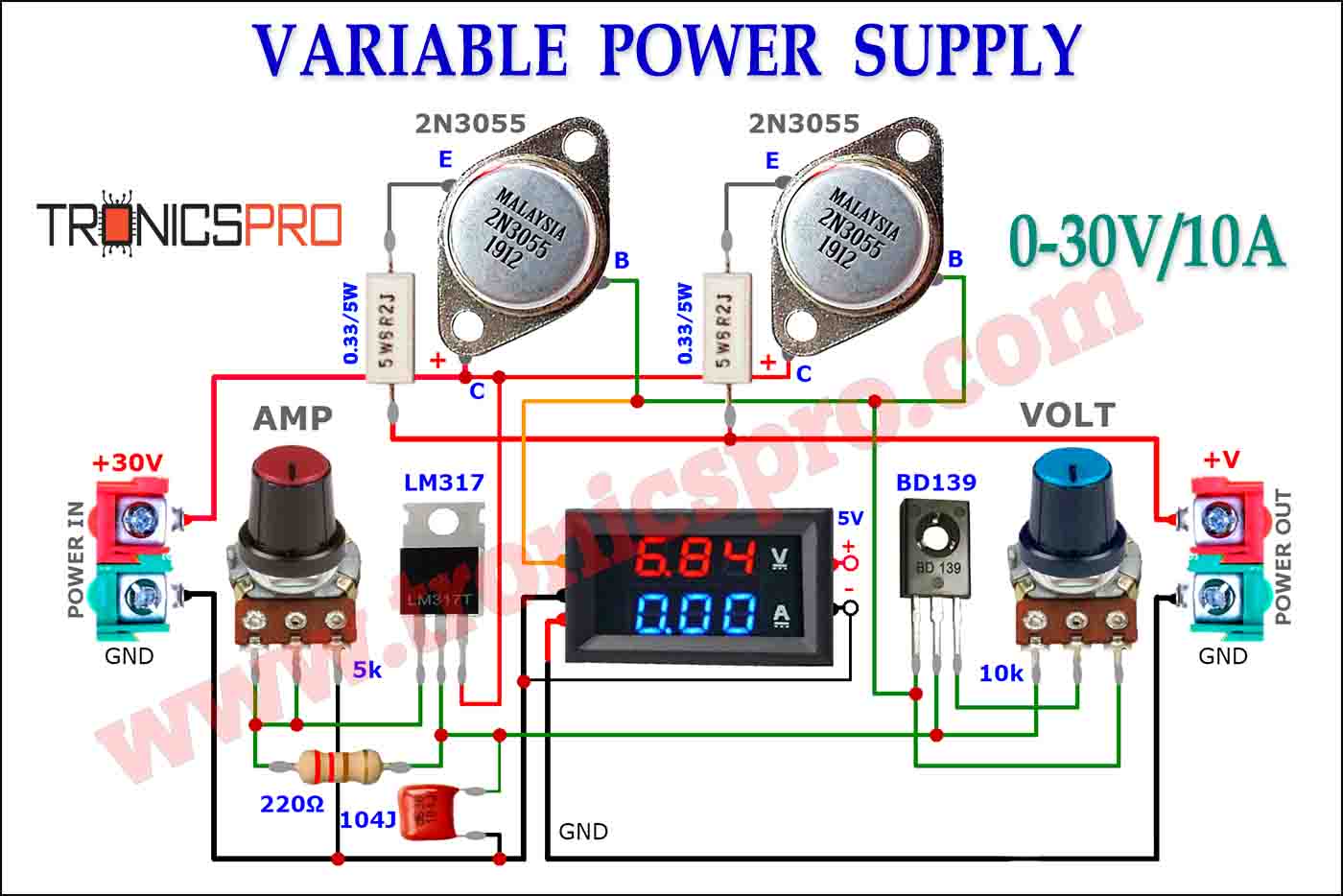
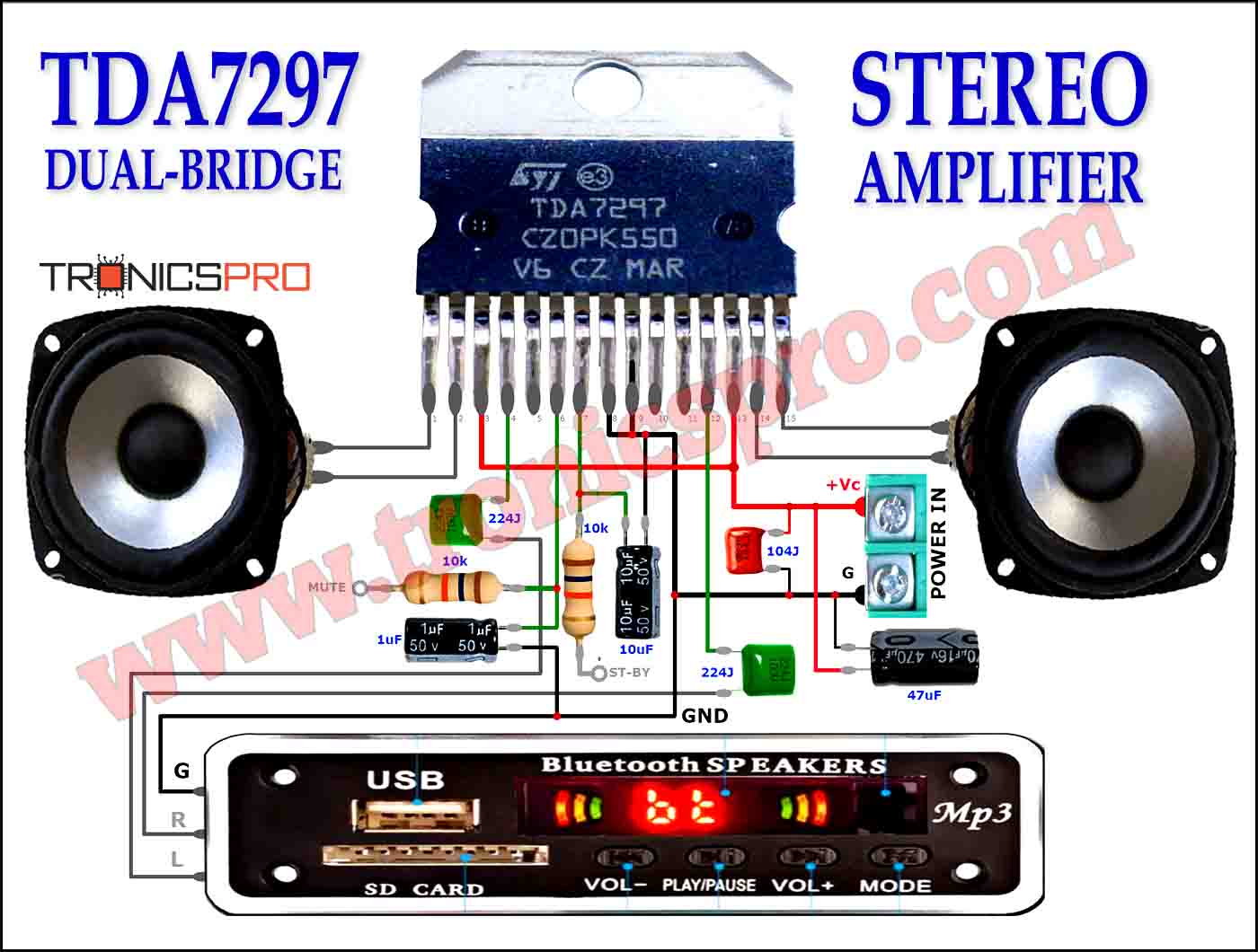
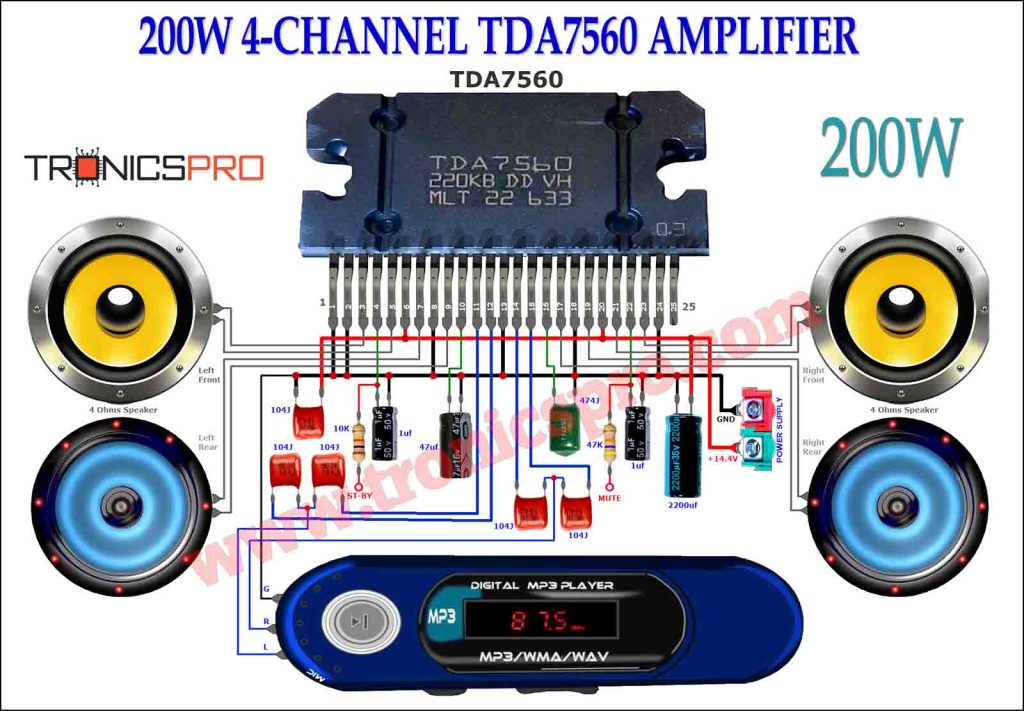
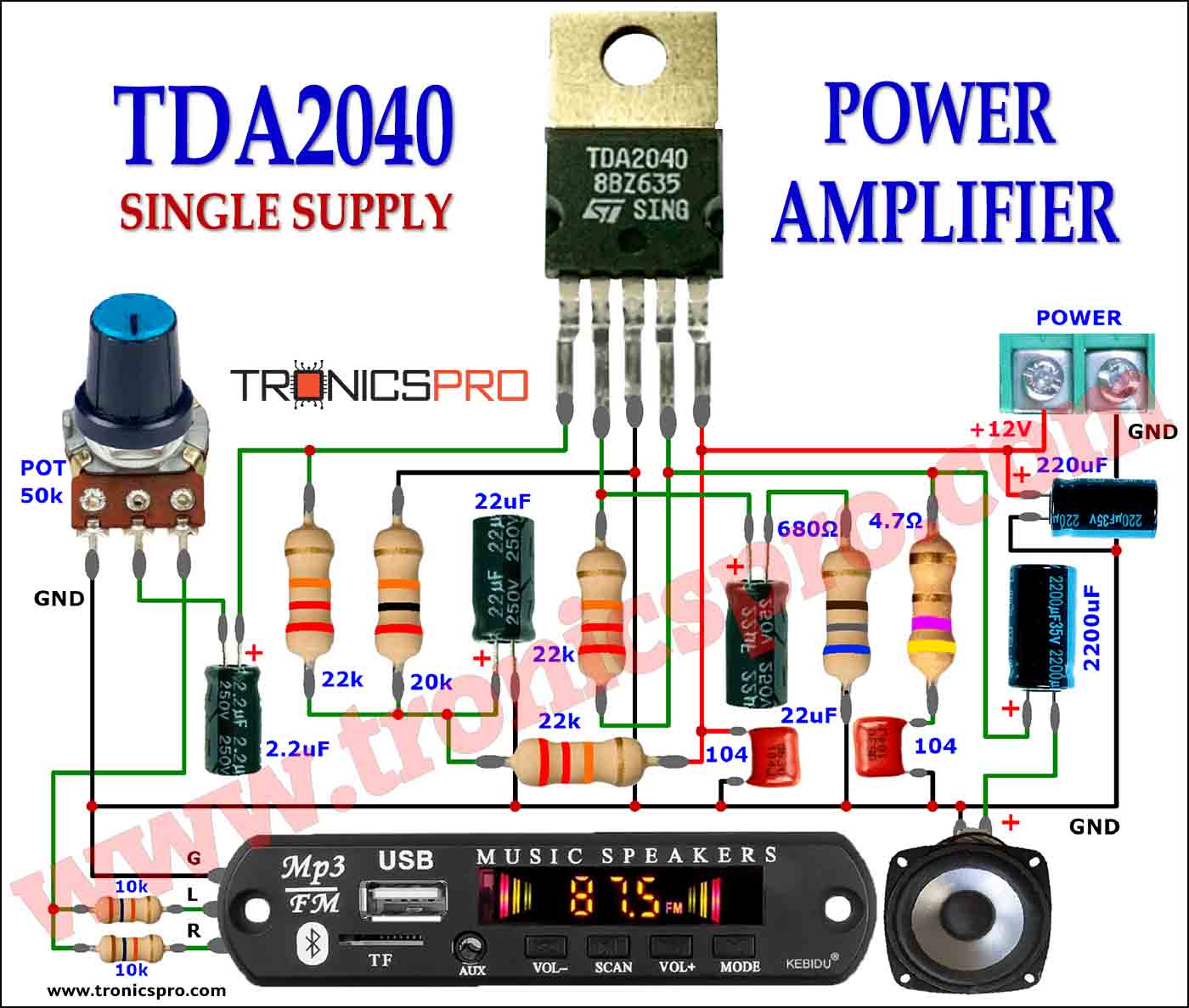
Key Applications of BC307 PNP Transistor
- Audio preamplifier and signal amplifier stages
- General-purpose low-frequency amplification circuits
- Audio tone control and equalizer circuits
- Analog signal processing systems
- Detector and sensor interface circuits
- Low-power switching and driver stages
NPN Complimentary Transistor
The NPN complementary transistor of BC307 is BC337.
These two transistors are commonly paired in push-pull amplifier configurations and class AB audio amplifier circuits, providing balanced signal amplification with minimal distortion and improved linearity.
Equivalent Transistors of of BC307 PNP Transistor
- BC308
- BC309
- BC557
- BC558
- 2N2907
- 2N3906
- S8550
- MPS2907A
(Pin configuration of some transistors mentioned here may different from BC307).
Datasheet of BC307 PNP Transistor
Click the following Button below to download the datasheet of BC307 Transistor :
More projects, You may like:
- Video Transmitter DIY Homemade FM Radio Transmitter
- Adjustable Power Supply DIY Battery Charger
- 12V-220V 500 Watt inverter DIY Homemade
- MPPT Solar Charge Controller DIY Homemade
- DIY LA4440 bass amplifier homemade
For more project and circuit diagrams, you can go through the Schematics in the main menu where you can find many interesting projects and circuit diagrams like audio amplifier circuits, voltage booster circuit, battery charger circuit and timer circuits etc., which are all beginner circuit projects. Feel free to check them out!
Thank you for visiting the article.
You may also like:
![BC548 NPN Transistor Datasheet Pinout]()
BC548 NPN Transistor Datasheet
![bcy70 datasheet pinout equivalent specification application transistor]()
BCY70 Pinout, Equivalent, Application, Datasheet
![2n2905 datasheet pinout]()
2N2905 Pinout, Equivalent, Application, Datasheet
![bd711 datasheet pinout]()
BD711 Pinout, Equivalent, Applications, Datasheet
![2n6292 datasheet pinout equivalent specification]()
2N6292 Pinout, Equivalent, Application, Datasheet
![2n5961 datasheet pinout equivalent specification]()
2N5961 Pinout, Equivalent, Application, Datasheet
![BD234 PNP Transistor Datasheet]()
BD234 PNP Transistor Pinout Datasheet
![bd250 datasheet pinout]()
BD250 Pinout, Equivalent, Applications, Datasheet