Tag: bass amplifier

Non-Inverting AC Power Amplifier Circuit Diagram

The non-inverting AC power amplifier using MC1538R and MC1556G ICs is an essential circuit for amplifying AC input signals with high power. This circuit provides high gain, low output impedance, and high input impedance, making it suitable for various applications. It is an ideal circuit for audio systems, instrumentation, and communication devices, among other applications.

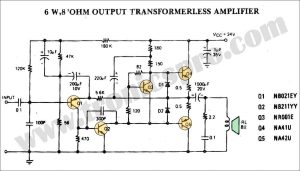
AC Power Amplifier Circuit Diagram

The AC PowerMono Amplifier is a reliable and easy-to-build amplifier that can deliver a decent amount of power output. By simply following the circuit diagram and using the right values for the components, you can successfully build your amplifier. This amplifier is excellent for use in small to medium-sized rooms, and it has proven to deliver excellent performance.

AM Radio Power Amplifier Circuit Diagram

The AM Radio Power Amplifier using LM390 IC is an excellent solution for amplifying the audio signal of AM radios. The LM390 IC provides a high gain and low impedance that makes it suitable for amplifying weak AM radio signals. Additionally, the LM390 IC’s output stage can deliver up to 1A of current, providing sufficient power to drive the speaker.

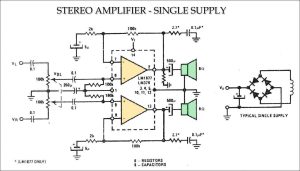
Stereo Amplifier LM1877 Circuit Diagram

A Stereo Amplifier is an essential component in any audio system, especially when it comes to listening to music or watching movies. The purpose of a stereo amplifier is to amplify the audio signal, which is then sent to the speakers to produce high-quality sound. There are many types of stereo amplifiers available in the market, but in this article, we are going to discuss the Stereo Amplifier LM1877 Circuit.

15W Power Amplifier Circuit Diagram

The circuit diagram of a 15-watt low-distortion power amplifier using NSP5194 PNP and NSP5191 NPN transistors in the output stage, LM378 IC in the pre-amplifier, and a 13-volt power supply provides a clean, high-quality audio signal output. The circuit design relies on the complementary symmetry amplifier configuration of the PNP and NPN transistors in the output stage, as well as the use of a feedback loop for low distortion.

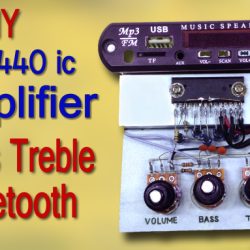
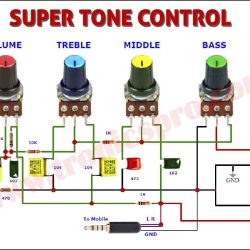
DIY Bass Controller Homemade

If you’re a music enthusiast and want to take your listening experience to the next level, building your own DIY bass controller homemade could be an excellent project for you. Not only is it a cost-effective way of upgrading your audio system, but it also allows you to customize the sound output to meet your specific preferences.

Next Page » « Previous Page